The three classes, in one minute
All three classes share the same DNA: a motor that helps you along, capped by rules so cities and trail managers know what to allow where. Class 1: pedal assist only, up to 20 mph. The motor kicks in when you pedal and quits when you hit 20 mph. No throttle. It feels like riding a regular bike with superhero legs. Class 2: pedal assist plus a throttle, up to 20 mph. Everything Class 1 does, plus a throttle that can move the bike without pedaling at all. Same 20 mph cap either way. Class 3: pedal assist up to 28 mph. No throttle assist past 20, but the motor keeps helping while you pedal all the way to 28 mph. These are the commuter rockets.If you ride for fun, fitness, or trails: Class 1
Class 1 is the most welcome bike in the most places. Because it only helps while you pedal and tops out at 20 mph, it’s treated most like a regular bicycle — which means bike paths, multi-use trails, and most mountain bike trail systems that allow e-bikes at all typically allow Class 1. This is the class we point people toward when they say “I want to actually exercise, just with a little help on hills” or “my knees aren’t what they were, but I’m not done riding.” You still do real work — the motor just erases the miserable parts: headwinds, long climbs, that last stretch home. Around here, a Class 1 ride along the coast or up into the hills behind Dana Point is the whole argument in one afternoon.If you want maximum ease and flexibility: Class 2
The throttle is the dividing line, and ours is a practical take: it’s genuinely useful in specific situations. Starting from a dead stop at a traffic light with a loaded cargo bike. Nursing a tweaked knee home. Getting moving on a steep driveway. The tradeoffs: throttle riding drains the battery noticeably faster than pedal assist, and some trails that welcome Class 1 draw the line at throttles. If most of your riding is on streets, that rarely matters; if your dream rides are on dirt, check access rules first. Class 2 is often the right call for casual riders, errand-runners, and anyone who wants the option to just cruise when they feel like it.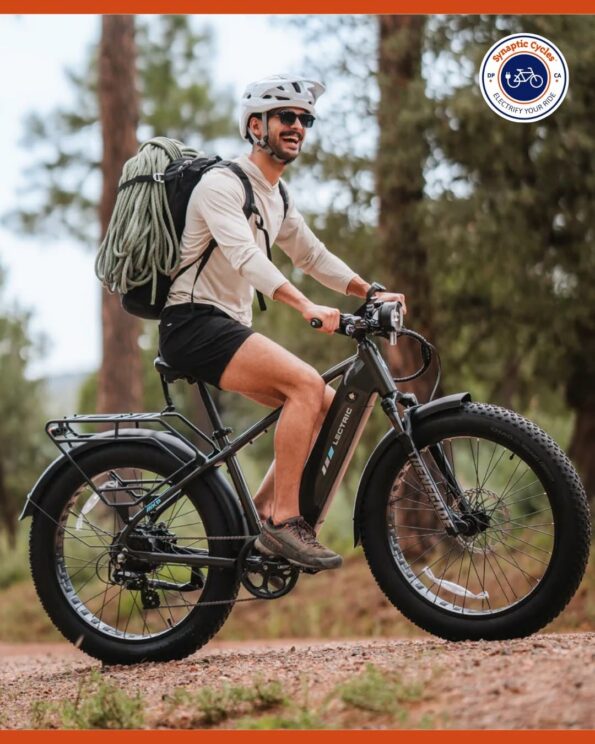
If you’re replacing car trips: Class 3
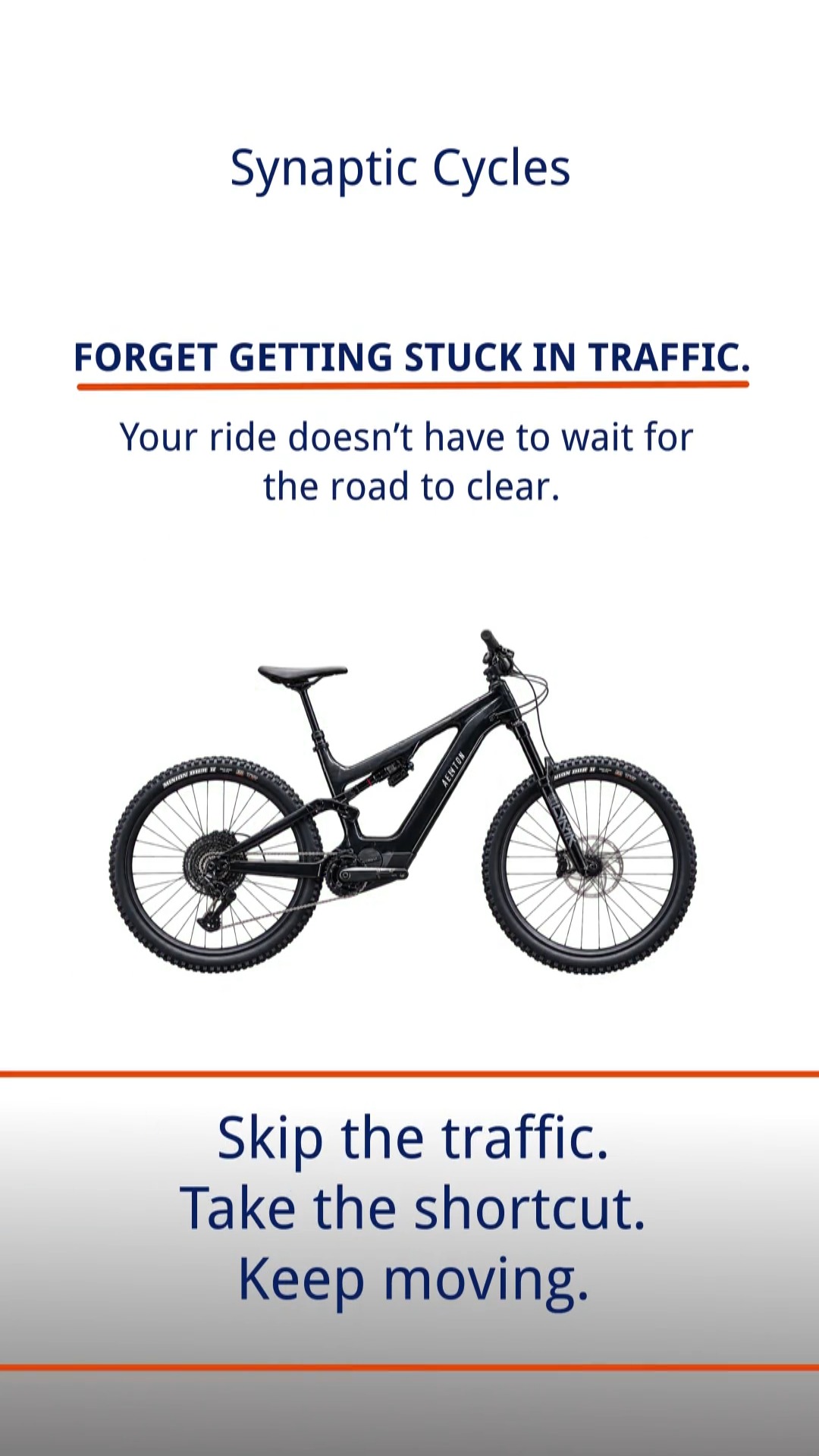
Once you’re using a bike as transportation — commuting to work, crossing town for meetings — average speed stops being a vanity number and starts being minutes of your life. The jump from 20 to 28 mph assist shrinks a 40-minute commute meaningfully, and it lets you keep pace with traffic in bike lanes — which many riders find feels safer than being the slowest thing on the road. The fine print: in California, Class 3 riders must be 16 or older, helmets are required regardless of age, and Class 3 bikes are restricted from certain paths and trails that allow Class 1 and 2. Local rules vary, so check the routes you’d actually use — we help customers do this all the time. If your honest answer to “how will you use it?” is “instead of my car, several days a week,” Class 3 usually pays for itself in gas, parking, and sanity.The questions that actually decide it
Skip the forums. Answer these five and the right class picks itself:- Where will 80% of your miles happen? Trails and paths lean Class 1. Streets lean Class 2 or 3.
- Is this exercise, transportation, or both? Fitness-first points to pedal assist only. Commuting-first points to Class 3.
- Will you ever need to move without pedaling? Cargo, kids, injuries, steep starts — that’s the throttle question.
- How far between charges? Long days favor pedal assist, which sips battery compared to throttle use.
- Who else might ride it? If a teen under 16 will share the bike, Class 3 is off the table in California.