So… How Fast Can an Electric Bike Go?
Just like a traditional bicycle, an electric bike can go as fast as you can pedal or coast downhill. The difference is the electric assist, which helps you reach and maintain speed with far less effort. The speed at which the motor assists you depends on the class of the eBike. In the U.S., most manufacturers and states follow a standardized 3-class system. All classes are considered low-speed electric bicycles with:- Fully operational pedals
- An electric motor under 750 watts (about 1 horsepower)
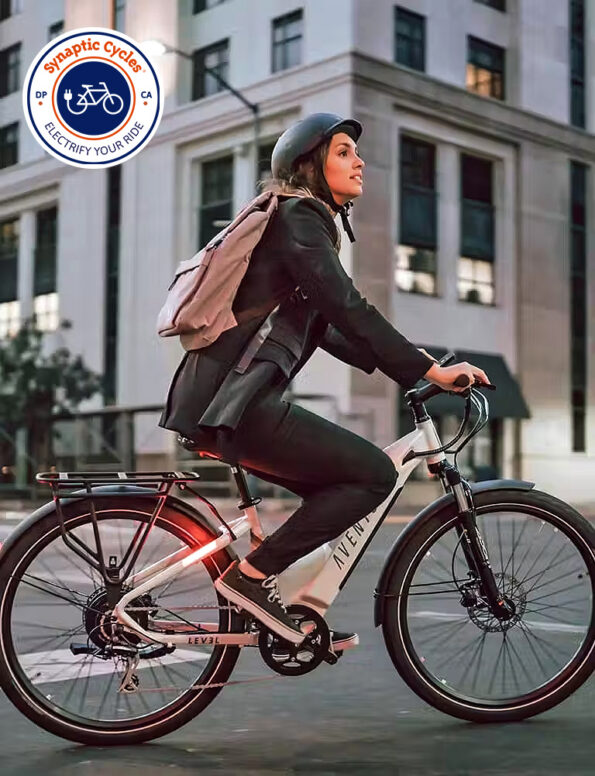
The Three Classes of Electric Bikes Explained
Class 1 eBikes
- Pedal-assist only
- Motor assists up to 20 mph
- Once you hit 20 mph, the motor stops helping
Class 2 eBikes
- Pedal-assist + throttle
- Motor assists up to 20 mph
- Throttle allows motor power even without pedaling
Class 3 eBikes
- Pedal-assist only
- Motor assists up to 28 mph
- Faster acceleration and higher cruising speed
“Electric bikes are an incredible tool for freedom and fun, but choosing the right class and understanding how to ride safely is just as important as speed. At Synaptic Cycles, we carry all eBike classes and take the time to answer every question, so riders leave confident, informed, and ready to ride responsibly.” — Shawn, Founder of Synaptic CyclesThis hands-on guidance is what sets Synaptic Cycles apart. Whether you’re brand new to eBikes or upgrading to a faster class, our team makes sure you understand:
- Which eBike class fits your needs
- Where you can legally and safely ride
- How to ride responsibly and confidently
What Else Affects eBike Speed?
Even within the same class, speed can vary based on:
- Rider effort and cadence
- Terrain and elevation
- Bike weight and geometry
- Tire choice and pressure
- Wind and road conditions